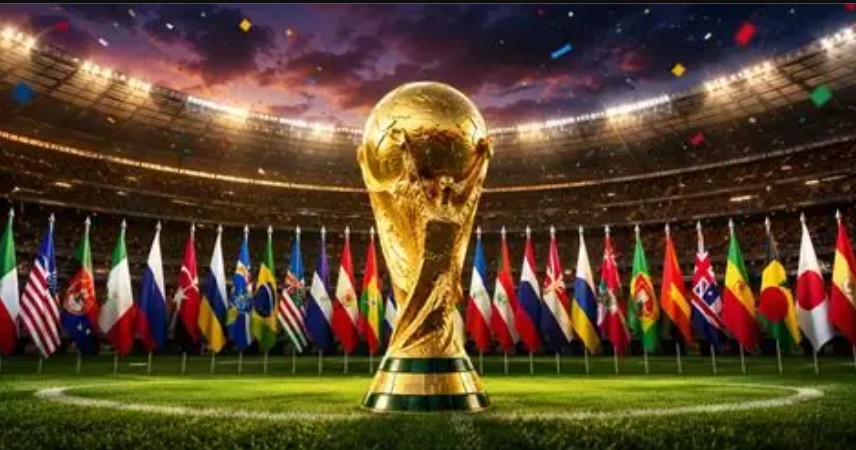
The World Cup is often measured in goals, trophies and TV viewers. But for economists, the 2026 World Cup was at least as interesting to follow on completely different boards: payment data, turnover figures and consumption patterns. When Norway ravaged the playoffs this summer, it had an immediate and measurable impact on the Norwegian economy – from mobile payments and restaurant sales to electronics sales. Here is the World Cup effect, sector by sector.
Payment data as a fever curve
Few data sources capture national euphoria better than the payment flows. According to VG, Vipps transfers increased by 519 percent between 1 a.m. and 2 a.m. the night after Norway’s victory over Brazil, compared to the same time the week before. Behind the number are thousands of small transactions: bets between friends that are settled, splices on celebrations, a ten in congratulations. Real-time payment data is becoming a separate economic indicator – and this summer the curves showed a party.
Nightlife: The Midnight Hour That Broke All Records
The hospitality and nightlife industry, which has otherwise had a demanding year, received a much-needed boost. Card transactions in restaurants increased by 32.4 percent nationally during playoff matches – but the really startling figure came from the capital: In Oslo, the growth was as much as 714.5 percent in the hour before midnight after the Brazil match. Late match times, which many feared would dampen the public celebrations, instead turned out to prolong the evening – and the bill.
Retail: Home cinema boom
The World Cup effect also hit store shelves. Elkjøp reported an increase in projector sales of 563 percent compared to the same period the year before – Norwegians simply rigged home theaters for the summer’s matches. At the same time, car traffic in the big cities decreased by 30-70 percent during the fighting. Consumption moved not only in amount, but in time and place: home to the living rooms, out to the pub – and into the online stores before kick-off.
The gaming industry: The billions behind the party
And then there was the industry that perhaps felt the World Cup the most on the bottom line. Globally, analysts estimated that the total betting volume at the championship would surpass $50 billion – up from around $35 billion during the Qatar World Cup in 2022. In the host country of the United States alone, where legal sports betting is now widespread in 39 states, bookmakers took in about $4.3 billion, close to nine times the level of the previous World Cup.
Also in Norway, the game set records – Norsk Tipping experienced its biggest single match ever during Norway-Brazil. But the official figure is only half the picture: Many Norwegian players use international players such as www.betfriday.com/nb-no, who also experienced record demand from Norwegian customers throughout the championship. The real Norwegian World Cup betting volume was thus significantly higher than the domestic figures indicate – a point that keeps coming up in the debate about Norwegian gaming regulation, not least after Finland decided to replace its monopoly with a licensing model from 2027.
How lasting is the World Cup effect?
The question for economists – and for the industries that benefit from the party – is how much is left behind when the confetti is swept up. Experience from previous championships indicates that most things normalize quickly: The Vipps curves flatten out, the restaurants find their everyday rhythm again. But two effects tend to last. One is the capital goods – the home cinema will be there until the next championship, and the purchase often speeds up the rest of the living room upgrade. The second is customer relationships: gaming companies, streaming services and payment apps that gained hundreds of thousands of new users this summer retain a significant proportion of them. For these industries, the 2026 World Cup was less of a one-off party and more of a customer acquisition campaign of dimensions – targeting the entire nation.
For consumers, the advice is the same as always when the party is over: Look over the summer’s spending, cancel the subscriptions you don’t need – and if you’ve got a taste for sports betting, set a fixed limit for what it can cost. The World Cup effect belongs in the holiday budget, not as a permanent expense item. One thing is for sure: The next time Norway goes far in a championship, both the banks, the shops and the bookmakers know exactly what to expect.