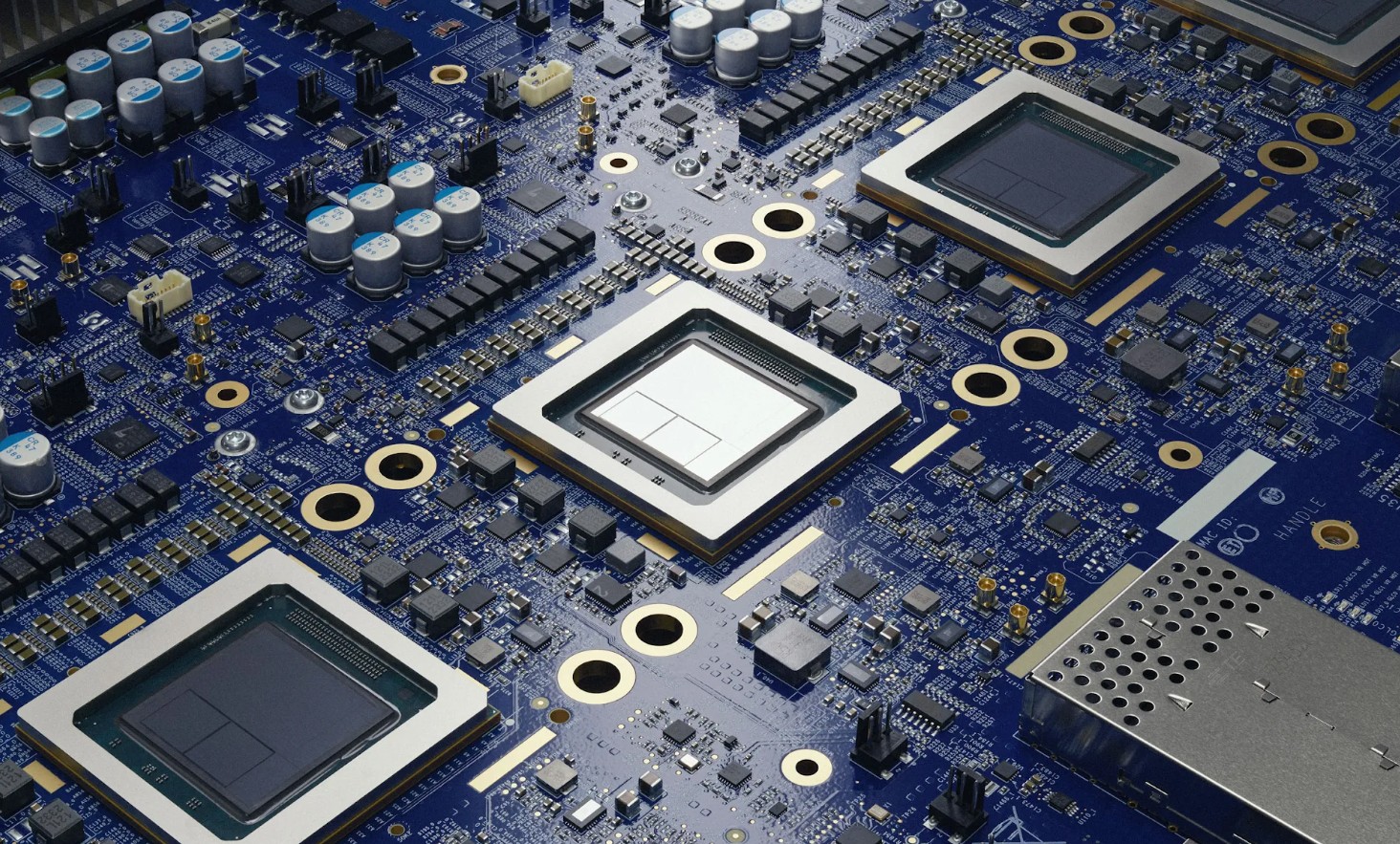
Researchers have developed a new electronic component that works more like the human brain than today’s computers. It can both process information and store it at the same time – which can make the computers of the future faster, smarter and far more energy-efficient.
The study was carried out by an international team, among them Professor Victor López-Richard from the Federal University of São Carlos (UFSCar) in Brazil, and the findings have been published in the journal Nature Communications.
Read: Red card awards have more than tripled since the last World Cup
Why Today’s Computers Are Outdated
Most modern computers keep processing and memory separate. The processor is raining, while the memory is storing. Information is constantly moving between the two – and it costs both time and energy.
The human brain is completely different. Brain cells both process and store information through networks of neurons and synapses. Scientists have long dreamed of copying this design – a field called neuromorphic computing.
Now they are one step closer.
How the new chip works
The new device is made of two special oxide materials: lanthanum aluminium oxide and strontium titanate. Where these meet, a very thin layer is formed that conducts electricity – and acts as a transistor, one of the most basic building blocks of electronics.
But this transistor is different.
It remembers what has happened to it in the past. It behaves like a memristor and a memcapacitor – electronic components that change their behavior based on previous electrical signals. Just like the brain’s synapses get stronger or weaker as we learn.
Instead of placing the control port over the electrical channel – as is done in traditional transistors – the researchers placed control ports on the sides. These side ports store electrical charges slowly, allowing the device to adjust its behavior gradually.
Analogue – not digital
While conventional transistors only have two states – “on” or “off” – the new device can operate in many different states. This analogue behavior makes it better suited for learning, adapting, and pattern recognition – just like the human brain.
Another important feature is its flexibility. The same device can perform multiple tasks just by changing how it is connected electrically – something called electronic polymorphism. One component can replace several, reducing the need for different parts in the chips of the future.
Tested on brain tasks
The team tested the device on several brain-inspired tasks:
- Recognized simple handwritten digits
- Showed short-term memory
- Demonstrated synaptic plasticity – the brain’s ability to strengthen connections with repeated use
- Performed logical operations while storing information in the same device – without separate memory
Most importantly, each operation used only a few nanojoules of energy – far less than conventional computers.
The future: Low-power AI and smarter computers
The technology is still at the proof-of-concept stage, but the researchers believe the potential is huge. There is still work to be done before it can be commercialised – including improving large-scale production and ensuring consistent performance.
But one thing is certain: this brain-inspired chip offers an exciting glimpse into the future of low-power artificial intelligence and next-generation computing.
Manchester United go for surprise Chelsea star after Fernandes goes to Spurs