It has only been a few days since Equinor reported extensive data attacks, and no one believes the American authorities’ explanation that there was nothing illegal behind the atmosphere in the airspace.
One thing is certain: attacks will come more frequently, and one reason many don’t realize is that extreme surveillance and the desire for a dystopian society (crowd cameras, etc.), gives hackers a sea of opportunities.
The untouchable Gianni Infantino laughs at us all
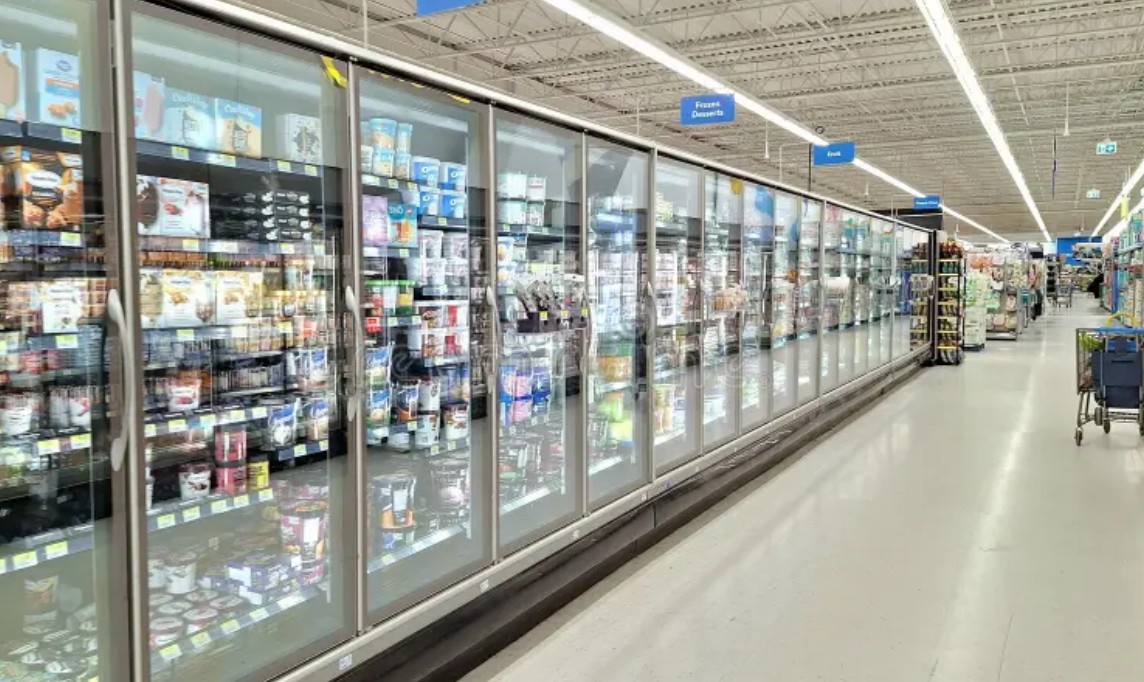
Cyberattacks on supermarket freezers reveal a growing daily security threat
Hackers have found a way to disrupt something shoppers rarely think about: the temperature inside supermarket refrigerators. Recent attacks in Europe show how connected devices can become a target—and how they can put food supplies, businesses, and public safety at risk.
Some remote-controlled cooling systems were reportedly pushed up to temperatures as high as 50 °C. Fresh and frozen products were destroyed, small fires broke out, and estimated losses reached millions of euros, according to a report published by Tufts University.
Data security researcher Shaanan Cohney said that around 700 supermarkets in France were targeted in mid-October, followed by another 100 locations elsewhere in Europe in early November. French authorities attributed the initial attacks to Iranian state-backed hackers, although the exact motives of the attackers remain uncertain.
Operational technology – a hidden goal
The problem involves equipment sometimes called operational technology. Unlike a regular office computer, it controls physical processes such as cooling, heating, water treatment, and machines. A cyberattack against such systems can therefore cause damage in the real world – not just steal information.
Supermarkets are increasingly relying on internet-connected temperature controllers to monitor inventory and manage energy consumption. Remote access is convenient for maintenance, but a poorly protected connection can also give criminals an opportunity. This makes daily infrastructure part of the broader cybersecurity challenge.
Warning from the USA
Similar freeze failures at some U.S. military commissaries were investigated as possible cyberattacks. Federal agencies issued a joint warning early in November about threats to temperature-controlled systems—systems that also protect medicines and other sensitive supplies.
Cohney explained that attacks on industrial equipment are nothing new. What makes these incidents striking is their apparent scale – and the possibility that a coordinated campaign could directly affect ordinary customers. Public disruption can itself be part of the intended message.
AI makes it easier
Artificial intelligence can make malicious activity easier to organize or replicate, although the report does not establish that AI caused these specific incidents. The central concern is that attackers can exploit known vulnerabilities on many similarly connected devices.
The lessons extend beyond grocery stores. Hospitals, warehouses, and food distributors also rely on reliable cooling, and power outages can have consequences long after the system is restored. Operators need strong access controls, updated equipment, and ways to detect unusual changes—before products are damaged.
What does this mean for you?
For shoppers, the attacks do not mean that every freezer in the supermarket is insecure. But they show why cybersecurity is now important for both food safety and privacy. Protecting connected physical equipment is increasingly an essential part of keeping ordinary services running.
Source: Tufts University.
Read on Helsesjefen: Why it’s so important to drink enough water when you have diabetes