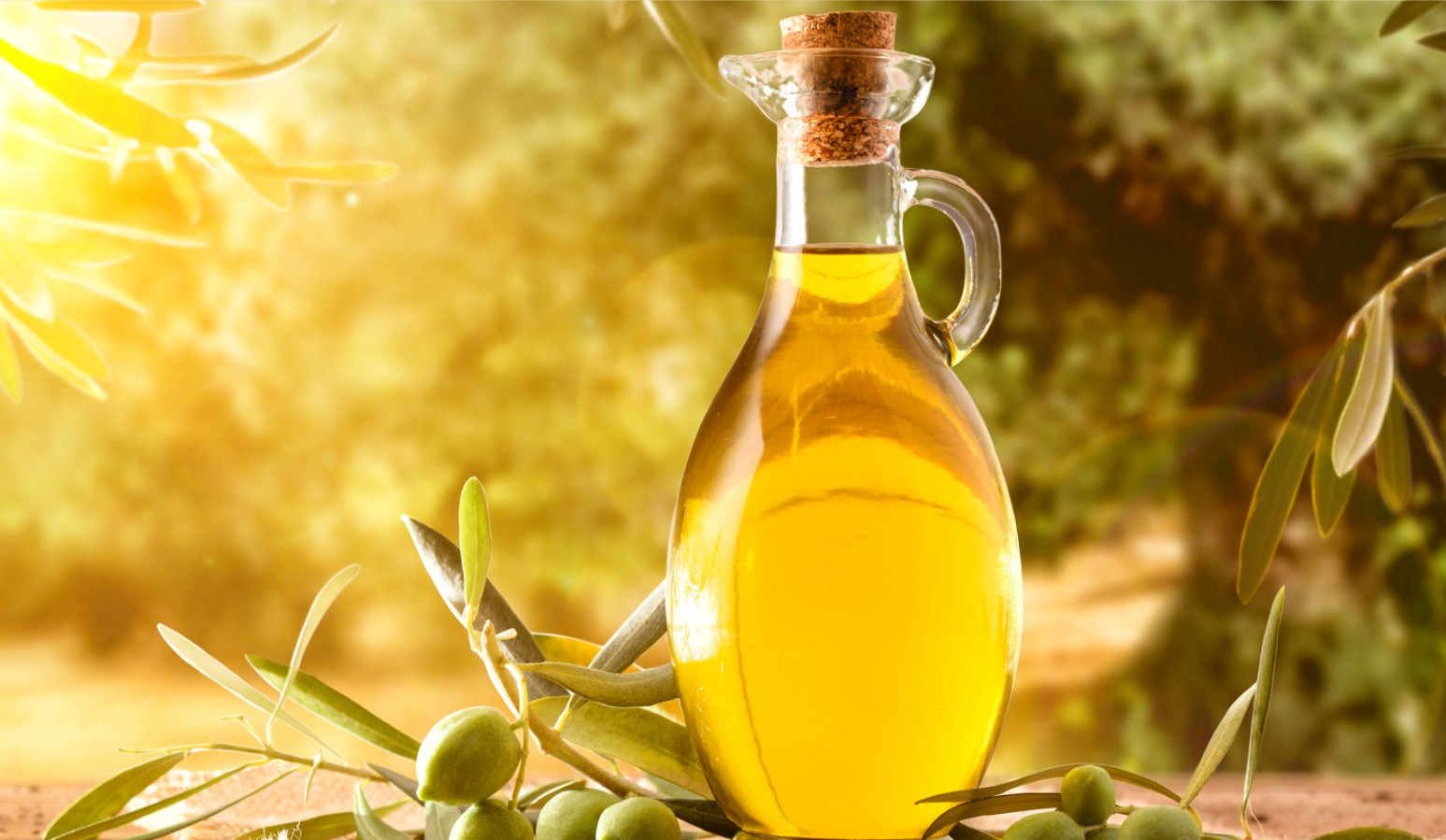
Giving mice olive oil before sugar reduced the early rise in blood sugar compared to giving the oil afterward, researchers have found. The experiments suggest that the nutrients that reach the gut may trigger a coordinated response involving both hormones and nerves.
Large spikes in blood sugar after meals are a major concern in diabetes. Previous human studies have suggested that eating vegetables, protein, or fats before carbohydrate-rich foods may curb these increases — but the underlying biology has remained partially unclear.
Deep sleep and REM sleep linked to lower risk of 83 diseases
An international team at Kyoto University investigated this biology in mice, including animals with diabetes. Their study, published in Diabetes, examined how the order of food changed hormone release and how quickly the material left the stomach.
After an overnight fast, the mice were given one of three sequences. One comparison group was given water followed by glucose, a simple sugar. Another was given olive oil 15 minutes before glucose, while the third was given glucose 15 minutes before olive oil.
The researchers measured blood sugar and several hormones involved in regulating it. They also followed how quickly a substance given orally appeared in the bloodstream, to estimate how quickly the stomach emptied itself.
Olive oil given first slowed stomach emptying and reduced the initial rise in blood sugar. Keeping glucose longer in the stomach delays its delivery to the gut, where it can be absorbed into the bloodstream.
Separate research in humans examines continuous glucose monitoring for type 2 diabetes. That should not be confused with evidence that the mouse experiment’s food sequence improves long-term outcomes.
Hormones and nerves interacting
The oil-first sequence also triggered the earlier release of hormones, including glucagon and GLP-1. GLP-1 is a gut hormone that helps coordinate blood sugar control. Glucagon is typically known to increase blood sugar by encouraging the liver to release stored glucose.
Glucagon’s involvement was therefore particularly interesting. In these experiments, it contributed to a broader response that ultimately moderated the early rise in blood sugar – showing that a hormone’s effect depends on how it interacts with other signals.
Blocking either glucagon signaling or GLP-1 signaling alone did not remove the oil-first effect. Blocking both reduced it, suggesting that the two pathways can partially compensate for each other rather than functioning as completely separate systems.
Experiments that disrupted the vagus nerves – which carry signals between the brain and the digestive organs – indicated that nerve communication also contributes. The effect was preserved in mice with type 2 diabetes and severe insulin deficiency, a condition in which the body has too little insulin to regulate sugar normally.
What the findings mean – and don’t mean
The findings explain an early blood sugar response in mice, and don’t prove that drinking olive oil before meals improves long-term diabetes outcomes in humans. A glucose dose after fasting is also different from a regular mixed meal.
The researchers see the work as a reason to test practical approaches to food order in human studies. These studies need to determine how reliably the response occurs, and whether it produces useful, lasting improvements in blood sugar control.