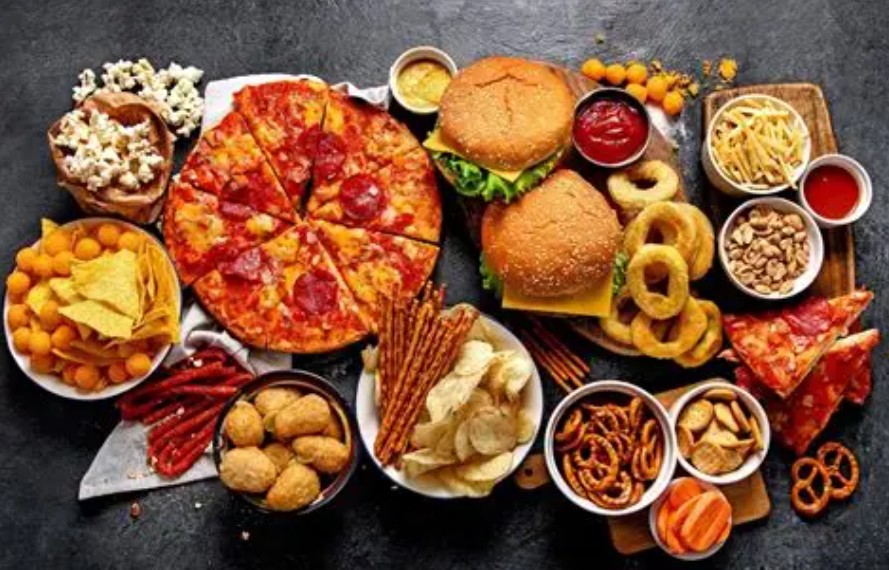
People who eat more ultra-processed foods may be at higher risk of several long-term health problems and early death, according to a large analysis of previous research.
The findings indicate that the risk generally increases the more you eat.
Health manager: Staying active can help prevent type 2 diabetes
Ultra-processed foods are industrial products that often contain ingredients rarely used in homemade food, such as flavorings, emulsifiers, and other additives.
Examples can be certain packaged snacks, sugary drinks, ready meals, processed meat and sweetened breakfast products.
The researchers reviewed studies published up to April 2026 and included 51 prospective cohort studies in the analysis. In total, the studies followed over 8.8 million adults from the Americas, Europe, Asia and Oceania for periods of between two and 32 years.
People with high intakes of ultra-processed foods had a higher risk of several health problems. Compared to lower intakes, high consumption was linked to a 24% higher risk of cardiovascular events, a 12% higher risk of cancer, a 23% higher risk of overweight or obesity, and a 24% higher risk of metabolic syndrome or diabetes.
Higher consumption was also associated with a 27% greater risk of depression or anxiety, a 31% greater risk of digestive disorders, and an 11% greater risk of high blood pressure. The risk of death from any cause was 18% higher.
The researchers also examined how the risk changed as people ate more of these foods. Each additional 100 grams per day was associated with a 14% higher risk of cardiovascular events, a 4% higher risk of cancer, a 3% higher risk of death from any cause, and a 2% higher risk of metabolic syndrome or diabetes.
There are several possible explanations. Ultra-processed foods are often rich in salt, sugar, and calories, while also providing less fiber and other beneficial nutrients. Some researchers are also investigating whether additives or changes caused by industrial processing can affect the intestines, inflammation, and how the body handles insulin.
However, the study cannot prove that ultra-processed foods directly caused these diseases. The studies that were included relied on people reporting what they ate, and people who eat more ultra-processed foods may have other lifestyle habits that also affect their health.
The research was published in the openly available journal Family Medicine and Community Health. The findings strengthen the evidence linking diets high in ultra-processed foods to poorer health, but they do not establish a precise amount that is safe or harmful for each individual.
Overall, the size of the analysis and the similar pattern across multiple diseases make the findings important.
Yet, because the evidence comes from observational studies, the most reasonable conclusion is that reducing highly processed foods and opting for more minimally processed foods can support health – while further research is needed to clarify which foods and ingredients contribute most to the risks seen.
Source: BMJ Group.
‘I’m smiling’: David Moyes knows the next Gareth Bale will warm Everton’s bench