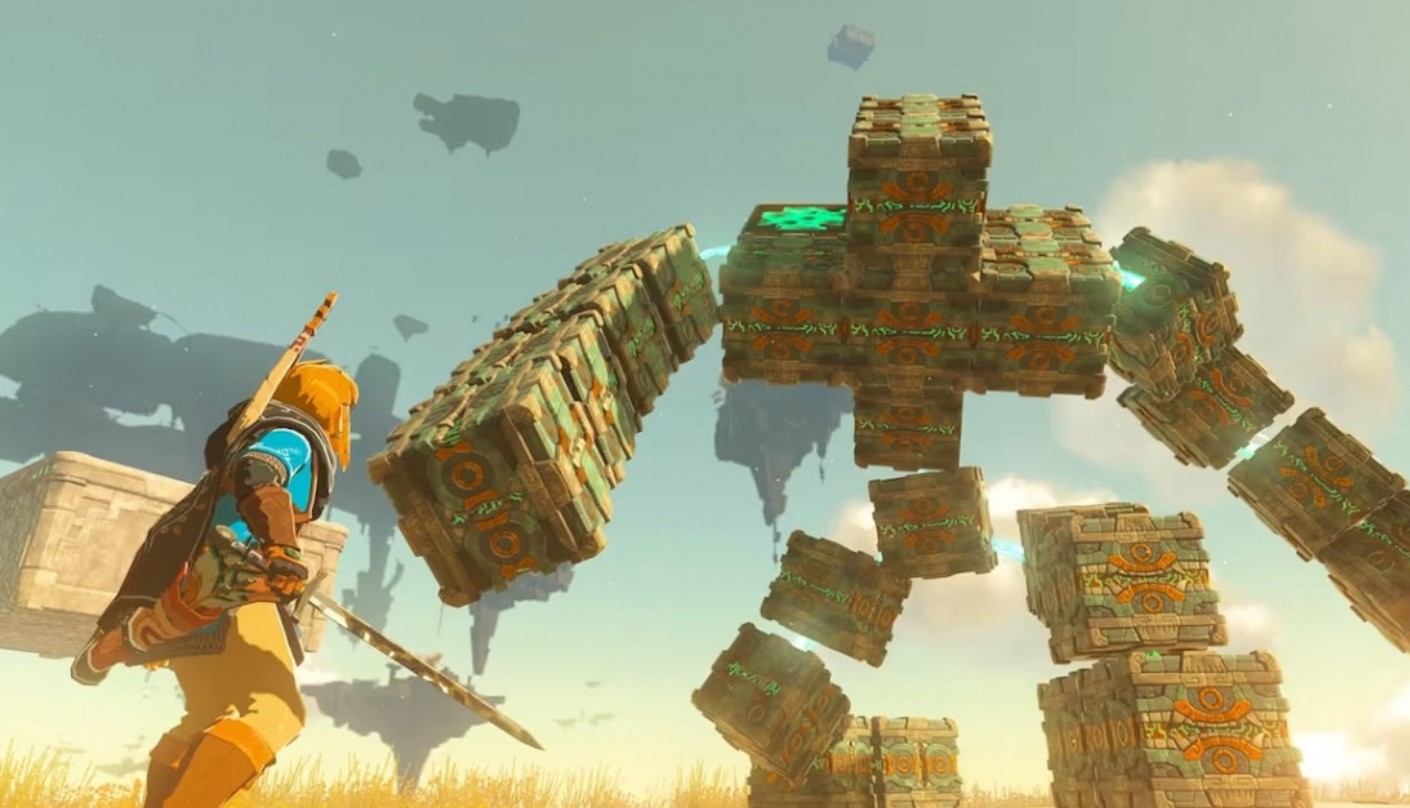
Computer games are often blamed for keeping people glued to the screen and isolated from the outside world. Many parents and health experts have worried that too much gaming can increase loneliness and weaken social bonds.
But a new study suggests that this picture may be more nuanced. In fact, some computer games can help adults feel less lonely and become more emotionally resilient.
Read: Premier League club on the hunt for a coach calls Solskjaer of course
Play as therapy?
The study, published in JMIR Serious Games, investigated whether certain types of computer games could be linked to better emotional health. The research showed that adults who played specific genres reported lower levels of loneliness and higher levels of emotional resilience than those who didn’t play at all.
The researchers asked 2,252 adults over the age of 21 what games they played, how lonely they felt, and how they viewed life. They were particularly interested in two types of games:
- Open-ended adventure games like The Legend of Zelda: Breath of the Wild. Here, players get to explore vast virtual worlds, solve problems, complete challenges, and discover new locations at their own pace.
- Relaxing and colorful games like Yoshi’s Crafted World. These are designed to be calm, visually appealing, and easily accessible.
Less lonely – more stoic
The study found that adults who played such games felt less lonely than non-gamers. They also scored higher on goals for Stoicism – a term that in psychology refers to emotional robustness, self-control and the ability to keep a cool head in difficult situations.
The researchers believe that different games can provide different emotional benefits. Exploration games can promote perseverance and problem-solving, while relaxing games can help us disconnect and experience positive emotions. A combination of both types can provide what the researchers describe as a balanced “digital diet” that strengthens mental health.
Loneliness – a growing public health problem
The findings are important because loneliness has become a major public health problem worldwide. Studies have shown that loneliness increases the risk of depression, anxiety, poorer physical health – and even earlier death. Many adults experience loneliness due to stressful workdays, living alone, retirement or reduced social contact.
Video games can offer something many people need: goals to strive for, challenges to overcome, and the opportunity to immerse themselves in meaningful activities. Some games also facilitate social interaction, collaboration, and sharing experiences with others. Even games played alone can provide a sense of mastery and meaning.
Not a substitute for professional help
The researchers emphasise that computer games cannot replace professional mental health care. Those who struggle with severe loneliness, depression or other mental health problems should still seek medical attention. Still, the findings suggest that carefully selected games can become affordable and easily accessible tools that support emotional health.
More than passive entertainment
The study also challenges the perception that gaming is just passive entertainment. Many games require concentration, planning, perseverance, and the ability to learn from mistakes. Players often have to regulate their emotions when faced with adversity and keep trying despite difficulties. These experiences can help us build psychological skills that are useful in everyday life.
Cannot prove causation
This study cannot prove that computer games directly reduce loneliness or increase resilience – it is based on a survey at one point in time. It is possible that emotionally robust people are naturally more inclined to enjoy this type of game. Nevertheless, the large number of participants and the overall findings make the results very interesting.
The study emphasizes that the effect of gaming can depend on the type of game you play. Future research needs to examine whether specific games can actually improve emotional health over time, and whether gaming can become part of broader strategies to support mental health.
Read on Popidol: The Legend of Zelda: Ocarina of Time remake confirmed for 2026