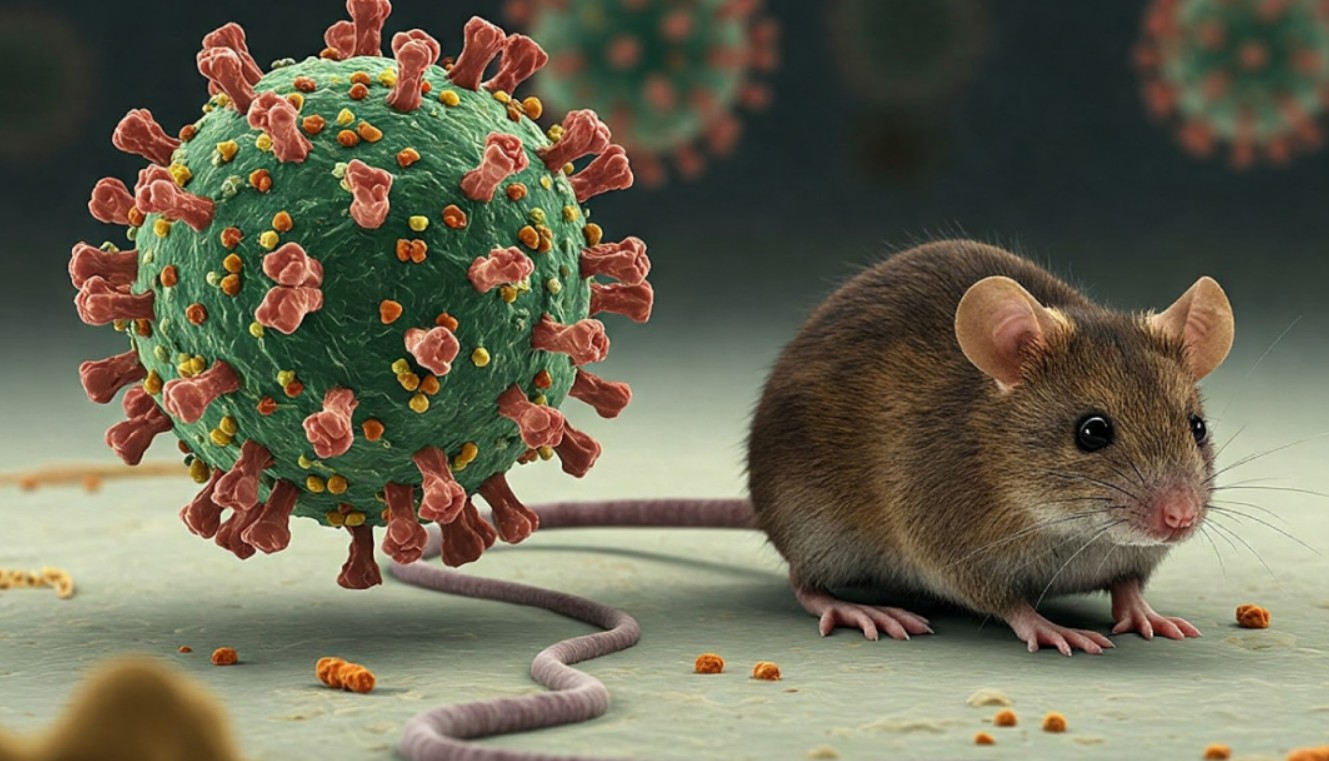
Hantavirus is a very rare but dangerous disease that has worried scientists and health experts for many years. Although most people have never heard of it, hantavirus infections can become very serious and sometimes fatal.
The Hanta virus has created fear and many headlines lately after an outbreak of infection on board the cruise ship Hondius. Of the eight confirmed infected, three people have lost their lives. The cruise ship sailed from Ushuaia in southern Argentina on April 1. On April 11, it became clear that the first passenger died on board in the South Atlantic.
Read: Stephen Colbert’s last weeks on “The Late Show”
Normally, the United States would have been a leader in the work to limit the infection, but since everyone who has knowledge in the Centers for Disease Control and Prevention (CDC) has quit or been fired and that the United States no longer cares about research/knowledge and is out of the World Health Organization, they are completely sidelined.
The rest of the world has so far not been able to fill the vacuum left by the United States, so it may be good to take precautions.
Outbreaks are uncommon, but once they happen, they often attract attention because the disease can suddenly damage the lungs and make it difficult for people to breathe.
Hantavirus is a group of viruses mainly carried by rodents such as rats and mice. Different types of rodents carry different strains of the virus in different parts of the world. Deer mice are one of the most common carriers. These animals don’t usually appear to be sick themselves, but they can spread the virus to humans through urine, feces, and saliva.
Humans can become infected when they breathe in tiny virus particles that are swirled into the air. This often happens when cleaning dusty areas where rodents have lived, such as cottages, sheds, barns, garages, sheds, or old buildings. Sweeping or vacuuming rodent feces can swirl virus particles into the air and increase the risk of infection.
Read on The Health Manager: Blueberries rejuvenate the brain – eat every day, and your brain will be younger
Scientists first recognized hantavirus as a major public health problem in the United States in 1993, following a deadly outbreak in the Four Corners area, where the states of Arizona, New Mexico, Colorado and Utah meet.
Previously healthy young adults suddenly developed severe breathing problems, and many died quickly. Scientists later identified a new strain of hantavirus carried by deer mice as the cause.
Since then, scientists have continued to study hantavirus outbreaks around the world. Various forms of hantavirus are found in Asia, Europe and America. Some strains primarily damage the kidneys, while others, especially those found in North and South America, can seriously affect the lungs and heart.
One reason hantavirus is so frightening is that early symptoms can be very similar to common illnesses like the flu. At first, infected people may develop fever, chills, headache, muscle aches, fatigue, nausea, vomiting or abdominal pain.
Because these symptoms are vague, many people don’t realize they may have a dangerous infection.
After several days, the disease can suddenly become much more serious. People may start coughing and experience chest tightness and shortness of breath as fluid accumulates in the lungs. In severe cases, patients may need intensive care and a ventilator to be able to breathe.
Research has shown that hantavirus lung syndrome, the form that affects the lungs, can have a high mortality rate. Some studies suggest that around a third of infected patients can die, even with modern medical treatment.
Scientists are still trying to understand exactly why hantavirus causes such severe illness in some people. Research suggests that the body’s immune response may play a major role. Instead of the virus directly destroying organs, the immune system can overreact and cause blood vessels to leak fluid into the lungs.
Currently, there is no specific cure for hantavirus infection. Doctor mainly provides supportive care, such as oxygen therapy, fluids, and breathing support in hospitals. Early medical help can increase the chances of survival, especially if doctors recognize the disease before severe failure of the lungs develops.
Scientists have studied antiviral drugs and vaccines, but there is still no widely available vaccine approved against hantavirus in most countries. Scientists continue to look for better treatments because outbreaks still happen from time to time.
An important area of research is climate and environmental change. Some studies suggest that weather conditions can affect rodent populations and increase the risk of outbreaks.
For example, heavy rains can lead to more plants and seeds, which in turn can lead to larger rodent populations. More rodents can increase the chance of humans being exposed.
Researchers have also investigated how human activities affect the risk of infection. Expansion of housing construction in rural areas, poor sanitation, crowded living conditions, and exposure to rodent-infested areas can all increase the chances of contact with infected rodents.
Fortunately, there are practical ways to reduce the risk of hantavirus infection. Health experts strongly recommend that people avoid direct contact with rodents and their feces whenever possible.
If rodent feces are found inside buildings, experts recommend wearing gloves and using disinfectant or ink solution instead of sweeping or vacuuming dry material. Wet cleaning methods help reduce the amount of virus that can become airborne.
Keeping homes clean, sealing holes where rodents can enter, storing food safely, and reducing clutter can also help prevent rodent infestations.
People who stay in cabins, campsites or rural buildings should be extra careful if they notice signs of rodents.
Although hantavirus infections are still relatively rare, researchers say awareness is extremely important because early symptoms can be easily overlooked. Prompt medical attention can improve the outcome if breathing problems begin to develop.
Research on hantaviruses continues around the world, as scientists try to better understand how outbreaks occur, why some infections become fatal, and whether future treatments or vaccines can reduce the risk.
The disease also reminds scientists of how closely human health is linked to the environment and animal populations. Many infectious diseases spread from animals to humans, and changing ecosystems can affect future outbreaks.
Although hantavirus is uncommon, understanding its symptoms, causes, and prevention methods can help save lives when outbreaks first occur.
If you care about heart disease, we advise you to read studies that herbal supplements can damage your heart rhythm, and how eating eggs can help reduce your risk of heart disease.